


 Talks from the AI & depth psychology symposium
This page brings together recordings of the symposium talks, held on 23 and 24 May 2026 at Belloc Abbey in Urt (France). This in-person conference, organised by Espace Francophone Jungien, explored the transformations associated with artificial intelligence through the lens of Jungian psychology and contemporary thought.
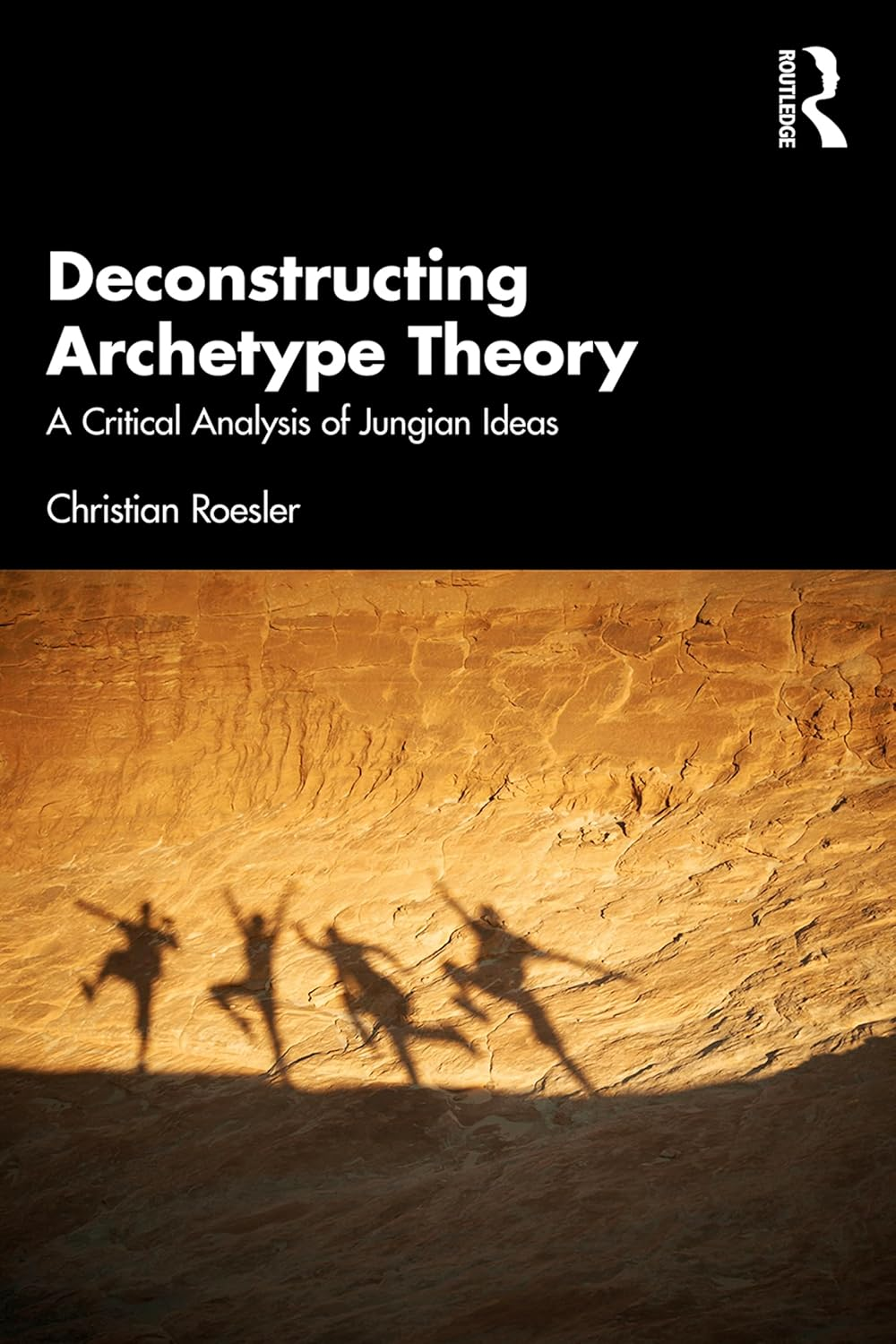 Deconstructing Archetype Theory: A Critical Analysis of Jungian Ideas
Exploring not only Jung’s original writings but also the range of interpretations used by Jungian scholars today, Christian Roesler argues in this book that Jung’s conceptualization of archetype theory is not a single coherent theory; rather, it is four different theories which must be understood separately.
 Of Fire and Form: Jung, Dante, and the Making of the Red Book
Tommaso Priviero offers a fresh Dantesque reading of Jung, tracing Dante’s influence in the Red Book and exploring the relationship between analytical psychology and what Jung referred to as “visionary literature”. This book presentation also includes a reflective essay by the author.
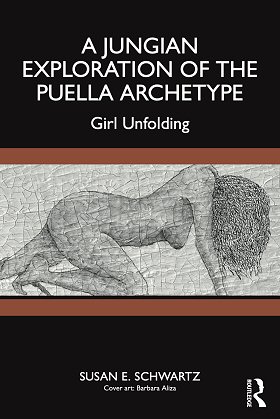 A Jungian Exploration of the Puella Archetype; Girl Unfolding
In this book Susan Schwartz explores the puella as an archetypal, symbolic and personality figure reaching into the classical foundations of Jungian analytical psychology, focusing on the modern conflicts reverberating personally and culturally to remove the obstacles for accessing our more complete selves.
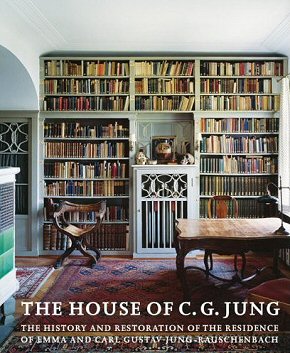 The House of C.G. Jung
The history and restoration of the residence of Emma and Carl Gustav Jung-Rauschenbach. Featuring nearly 160 photographs and plans, the book takes readers through the various stages of the project: the original designs, the construction process, and the different adaptation and renovation works, with the most recent updates dating from the 2000s.
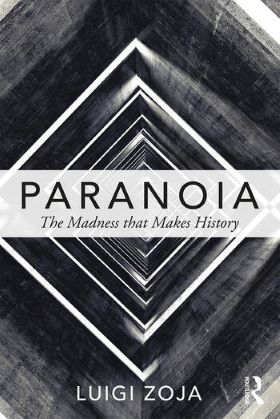 Paranoia: The Madness That Makes History
Luigi Zoja presents an insightful analysis of the use and misuse of paranoia throughout history and in contemporary society. Zoja combines history with depth psychology, contemporary politics and tragic literature, resulting in a clear and balanced analysis presented with rare clarity. The devastating impact of paranoia on societies is explored in detail.
 Two Souls Alas: Jung’s Two Personalities and the Making of Analytical Psychology
In this book Mark Saban delves into Carl Jung’s childhood experience. Jung’s experience of the difficult dynamic between his two personalities not only informs basic principles behind the development of Jung’s psychological model but underscores the theory and practice of Analytical Psychology as a whole.