


In this newsletter: Critique of archetype theory | Sex, gender, and sexuality | Analytical psychology among symbolic disciplines | Paradox-born subjects in “Dark” | The programmable Other | Reflective essay on art: Howard Hodgkin’s Spring| Book presentation: Deconstructing Archetype Theory
Dear subscriber,
As analytical psychology continues to evolve in dialogue with contemporary culture, theory, and clinical practice, this newsletter brings together a set of articles that revisit and rework some of its central assumptions.
The first two articles offer a critical reassessment of core Jungian concepts, questioning archetype theory and challenging Jung’s formulations of anima and animus in light of contemporary developments. A third article turns to the intersections of analytical psychology with other symbolic disciplines in a therapeutic framework. Two further articles draw on contemporary television series to explore trauma dynamics and human–AI relations as sites of psychological and relational complexity.
Finally, a new category of reflective essays on art is inaugurated with an exploration of Howard Hodgkin’s Spring, reflecting on the numinous impact of painting and its resonances between image, memory, and dream through motifs of seasonal renewal and symbolic landscape.
Articles
 Critique of archetype theory: yesterday and today
This article critically reexamines classical Jungian theory. By reframing archetype theory as a theory of cultural symbolization processes of psychological transformations, analytical psychology is positioned as a poetic science that enriches psychotherapy through meaning-making, rather than literal truths.
Christian Roesler, PhD
 Jung’s pointing finger: Sex, gender, and sexuality
This uncompromising and rigorously argued article offers a systematic critique of Jung’s theories as they relate to sex, gender, and sexuality, challenging their binary assumptions and calling for a re-visioning of analytical psychology in light of contemporary scientific and social developments.
Claudette Kulkarni, PhD
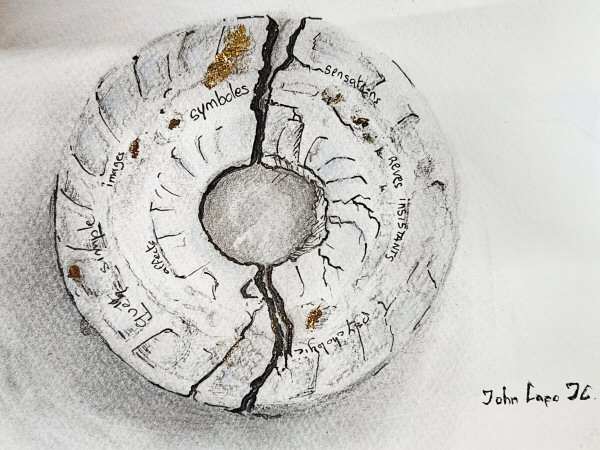 Analytical psychology among symbolism, semiotics, iconology, and comparative symbology
This article examines the intersections of symbolic disciplines and analytical psychology within therapy. It positions Jungian psychology as a clearing in this forest: a science of lived symbols. It offers a clinical hermeneutics for individual transformation, adding a crucial fourth dimension: lived experience and forward-looking perspective.
Rachel Huber
 Paradox-born subjects and Jungian depth psychology in “Dark”
The series Dark literalizes core Jungian insights by translating psychic structures into ontological conditions. The series’ time loop acts as the narrative correlate of a psychic loop, a compulsion to repeat what cannot be consciously assimilated. What analysis treats as inner figures become literal persons; what analysis treats as relinquished identifications become erased lives.
Dragana Favre, PhD
 The programmable Other: Ontological ambiguity in AI relations
Focusing on speculative futures of increasingly technologised worlds, this article explores attachment, empathy, relational structure, and personhood in human–AI interactions. Through a framework of mythic amplification, it examines interactions experienced as emotionally real yet technologically constructed, modifiable, and ontologically unstable.
Peggy Vermeesch, PhD
Reflective essay on art
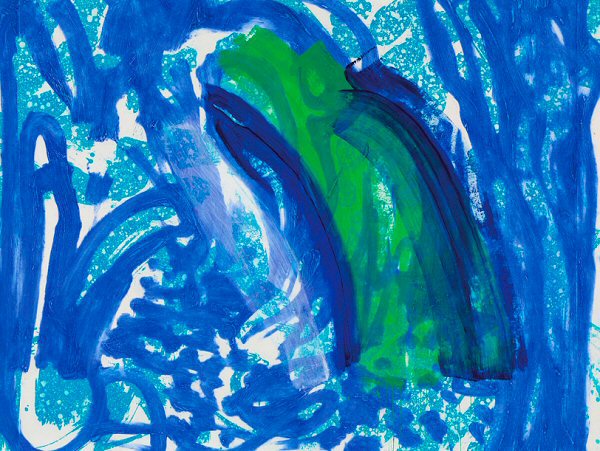 Into the woods, beyond the frame
Inaugurating a new series of reflective essays on art, this article explores Howard Hodgkin’s Spring, reflecting on the numinous impact of paintings that touch the soul, and tracing resonances between image, memory, and dream through mythological motifs of seasonal renewal, woodland paths, and healing trees.
Marilyn Mathew
Book presentation
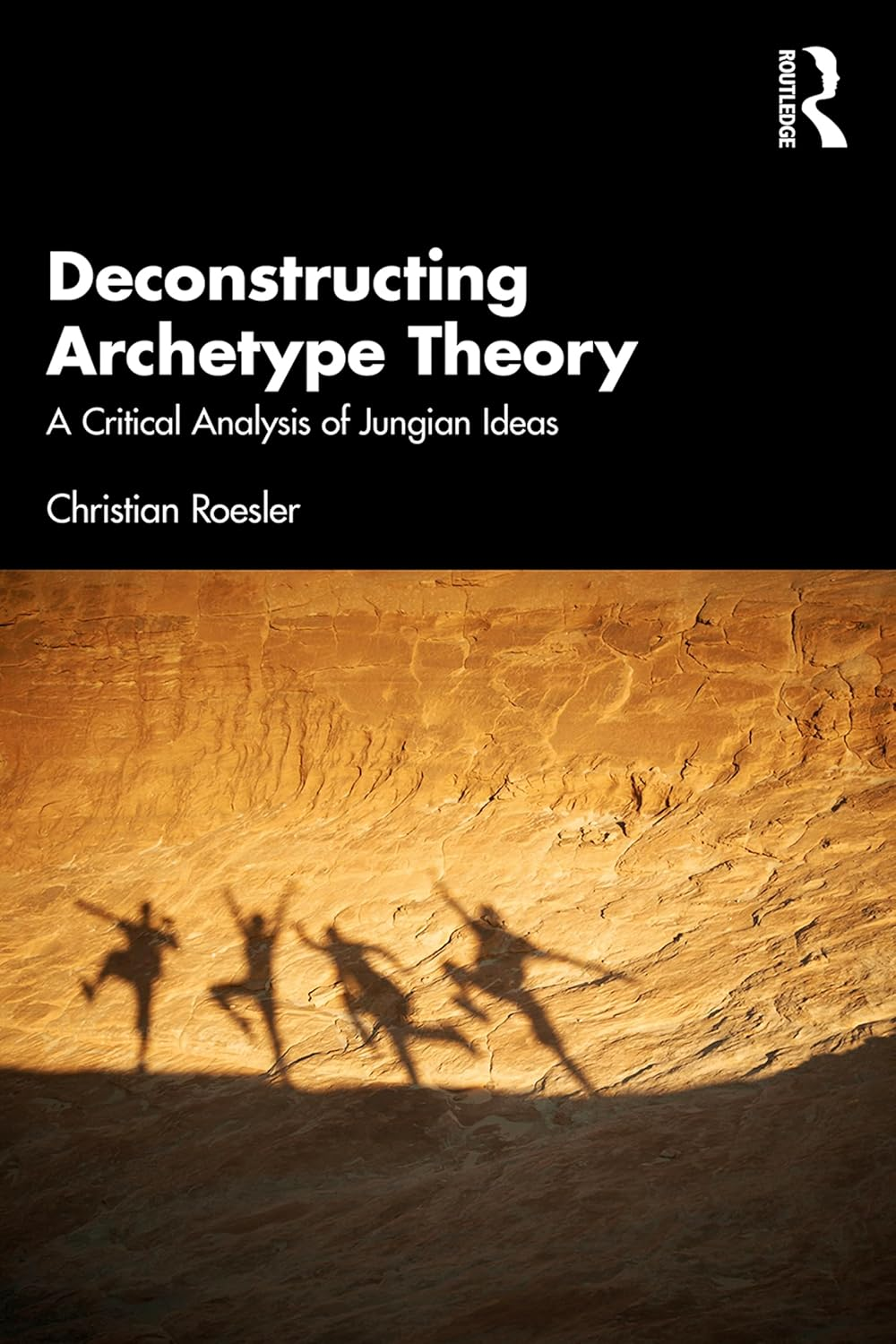 Deconstructing Archetype Theory: A Critical Analysis of Jungian Ideas
Exploring not only Jung’s original writings but also the range of interpretations used by Jungian scholars today, Christian Roesler argues in this book that Jung’s conceptualization of archetype theory is not a single coherent theory; rather, it is four different theories which must be understood separately.
Jungian Psychology Space
Feel free to share this newsletter with your friends and family. You’re welcome to unsubscribe or re-subscribe at any time.
Email us to unsubscribe
Sign up to receive email alerts